
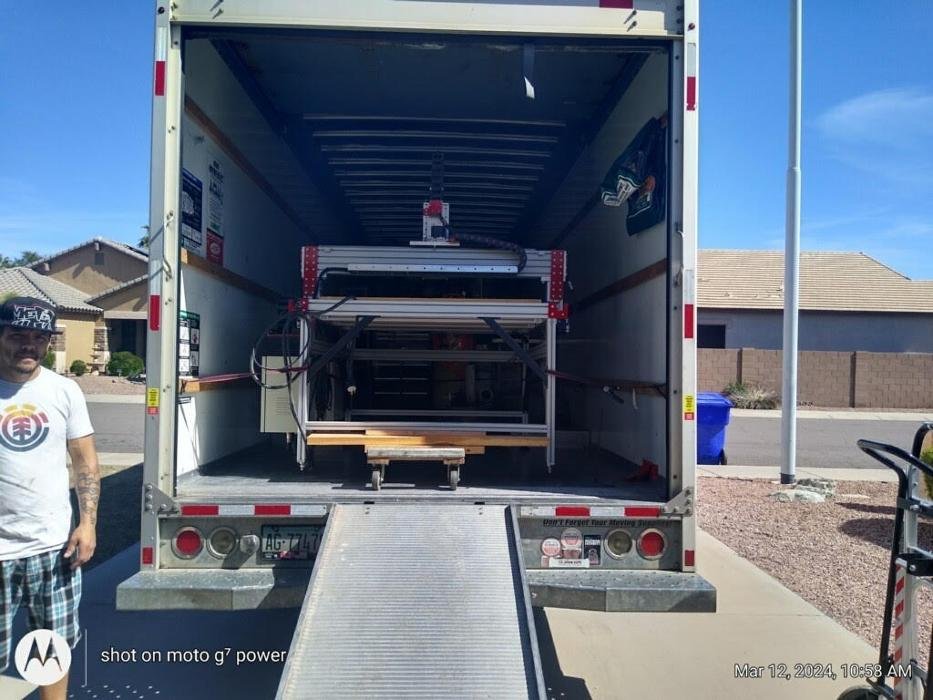
If you have lived in the Valley for even one summer, you already know it. Moving in Arizona heat is a different game. From June through September, temperatures in Chandler, Gilbert, and Mesa can hit 110 degrees or above before noon. What looks like a straightforward moving day on paper can turn into delays, damaged items, and an exhausted crew if the move is not thought through ahead of time.
My crew handles summer moves across the East Valley every week. Over time we have learned that a good Arizona summer move is less about speed and more about preparation, timing, and protecting the things that matter. Here is exactly what we do and what we recommend before your move day arrives.
Start Earlier Than You Think You Need To
This is the most important thing on this list. The difference between an 8 AM load-out and an 11 AM load-out on a June day is not small. Heat builds fast on driveways, in stairwells, and inside the truck. By mid-morning, temperatures on a dark asphalt driveway can exceed the ambient air temperature by 20 degrees or more.
For most local moves in Chandler, Gilbert, or Mesa, I recommend planning around these habits:
- Start loading at 7 or 8 AM, not 9 or 10
- Have everything boxed and ready the night before so we are not packing and loading at the same time in the heat
- Clear the walkways and loading path before the crew arrives so we can move without interruption
- Keep your essentials, medications, and valuables in a bag you manage yourself so the crew can focus on moving
Getting ahead of the heat by two hours makes the loading portion of the move dramatically easier and protects both your belongings and the people carrying them.
Arizona Heat Does Real Damage to Belongings
Most people know the heat is hard on people. Fewer realize what it does to furniture and household items. Inside a moving truck parked in direct sun, interior temperatures can rise well above the outside air temperature within minutes. Certain items are especially vulnerable:
- Candles and wax products. They will melt into whatever surface or box they are sitting on. Pack them separately or transport them in your personal vehicle.
- Electronics and televisions. Laptops, monitors, game consoles, and flat screens can be damaged by sustained heat exposure. Load these last, off-load them first, and get them into a climate-controlled space immediately.
- Vinyl records. They warp at temperatures a truck cab hits on a routine summer afternoon. If you have a collection worth protecting, move it in your car in an insulated bag or cooler.
- Wood furniture. Solid wood expands in heat and can crack or separate at joints. Veneer furniture is even more sensitive. Moving blankets help insulate against the worst of it.
- Artwork and framed photos. Heat combined with a rapid cool-down when entering AC can stress finishes and adhesives. Let these items acclimate slowly at the new place rather than unboxing immediately.
- Cleaning supplies and aerosols. Aerosol cans are a pressurized container in a hot truck. Transport these in your car or load them last with good ventilation around them.
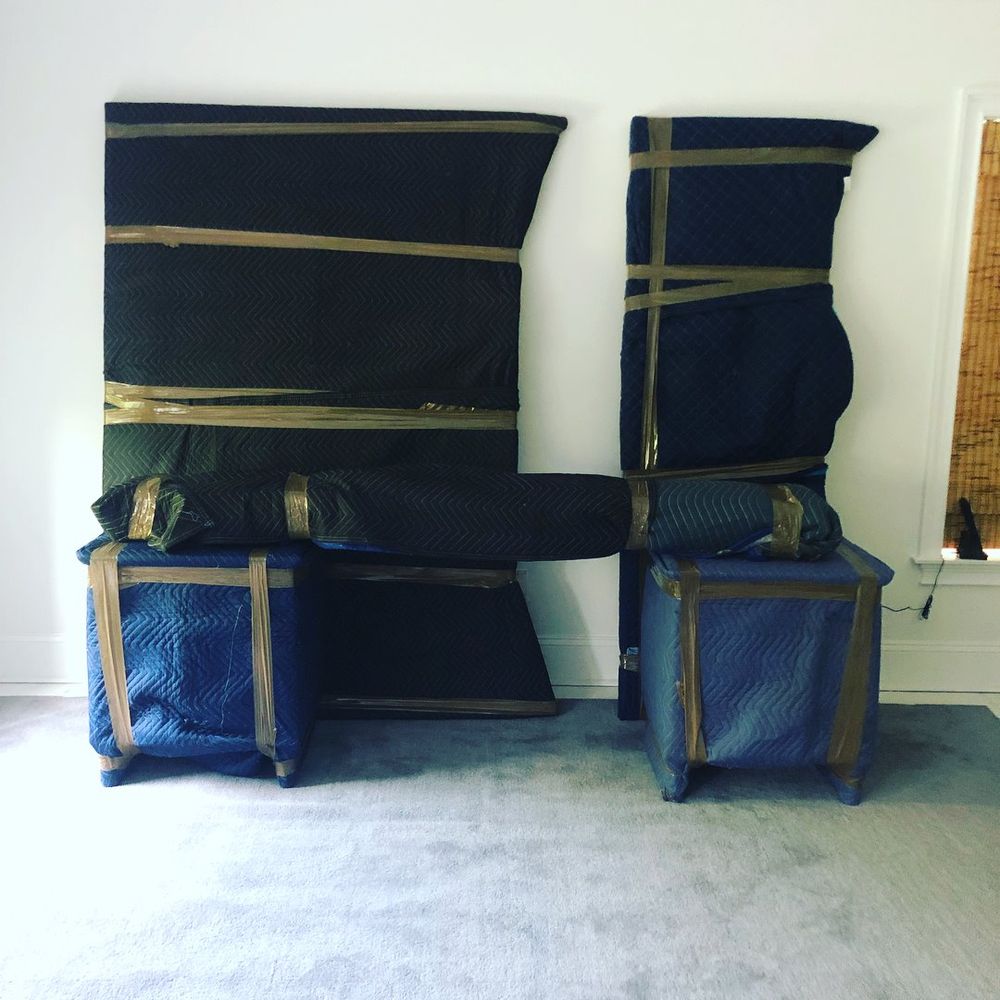
My crew uses moving blankets on all furniture regardless of season, but in summer those blankets also serve as insulation. We also pay attention to loading order, putting heat-sensitive items on the truck last so they spend the minimum amount of time in the heat, and taking them off the truck first at the destination.
Hydration and Pacing Are Not Optional
Even homeowners who are not doing any lifting underestimate how much the heat costs them on a move day. Standing outside directing the crew, holding doors, managing the kids or pets: all of it adds up when it is 108 degrees and you have been at it for three hours.
Before moving day, have these ready at both locations:
- Cold bottled water and ice, more than you think you need
- Electrolyte drinks for anyone doing physical work
- A shaded spot near the loading area if the property has one
- Easy AC access inside the home for short breaks
- A cool, calm spot for kids and pets well away from the loading zone
My crew comes prepared with their own water and we build rest into the pace on hot jobs. But customers who have cold drinks ready at both stops make a genuine difference on a hard summer day. It is one of the small things people remember to mention in their reviews, and it matters.
Apartment Moves in Summer Need Extra Coordination
Summer apartment moves in Chandler and Gilbert can get complicated fast, especially in larger complexes. Between elevator reservations, limited parking windows, gated entry, and upper-floor units, excessive heat can expose every delay. Our apartment moving checklist and HOA move-in windows guide cover what to confirm ahead of time. A problem that costs 10 minutes in October costs 30 minutes in July because everything slows down when it is hot and the crew is working harder just to maintain pace.
Before move day, confirm these details with your complex or property manager:
- Elevator availability and whether a reservation is required
- Where the moving truck is allowed to park and for how long
- Gate codes for both the current and new complex
- Any HOA or management office restrictions on moving hours
- The actual walking distance from the closest parking to your unit door
I have shown up to summer apartment moves where the elevator was out of service and nobody knew until we got there. That is a hard conversation at 9 AM when it is already 95 degrees. A five-minute phone call to the leasing office the week before prevents all of it.
Midweek Moves Are Easier During Peak Season
Summer is the busiest time for movers across the SE Valley. Families are trying to get settled before the school year starts, leases are turning over, and everyone wants Saturday. That means weekend availability gets tight and traffic around shopping centers and apartment complexes is heavier than usual.
If your schedule has any flexibility, a Tuesday through Thursday move in summer tends to come with better crew availability, easier parking at most complexes, and a bit more breathing room on timing if something runs long. It is not always possible, but if you can take a weekday, it is worth it.
Summer Moves Are Manageable. They Just Need a Plan.
Arizona heat is real. The problems that come from it on moving day almost never are. The customers who come through summer moves in good shape are the ones who started early, had their belongings ready to go, confirmed their building logistics in advance, and communicated clearly with the crew. That is the whole list.
We do summer moves every week from May through September and most of them go exactly as planned. If you are moving this summer and want to talk through the specifics of your date and situation, give me a call. That conversation is free and it will save you a harder day than you need to have.