
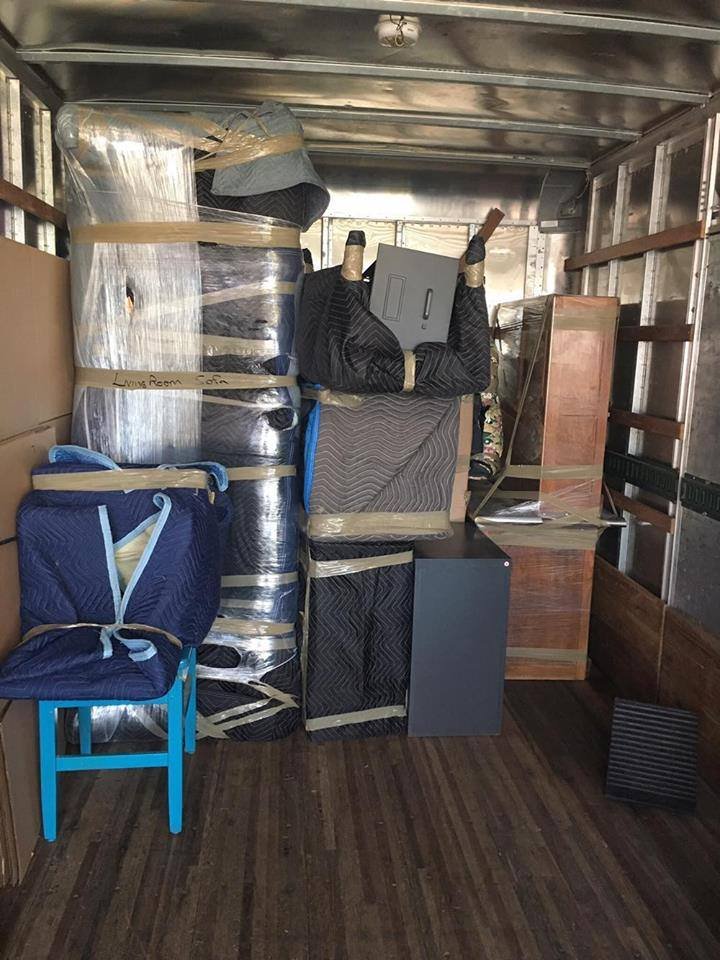
"How much is this going to cost me?" is usually the first thing people ask when they call, and it should be. I have been running local moves out of Chandler since 2005, and the honest answer starts with how we price. So let me walk you through it the way I would on the phone.
How do movers charge? Hourly vs flat rate
Most moving companies price a job one of two ways.
Hourly pricing means you pay a set rate for the crew and the truck for the time it takes to do the job. A bigger crew costs more per hour, but it also moves more per hour, so the right crew size usually saves you time. Hourly pricing is the norm for local moves across the Valley because a local job is easy to measure in hours.
Flat-rate pricing means the company gives you one fixed number for the whole job, usually built from an inventory of what you are moving. Think about how that number gets made. The company has to guess at everything that could go wrong, from extra boxes in the garage to a booked elevator. To be safe, a lot of flat rates carry a cushion for those unknowns, and you pay for the cushion whether you need it or not. Flat pricing is more common on long-haul moves, where the hours are harder to predict.
What matters is whether the company is straight with you about what is included and what is not. If you want a checklist for that, I wrote one on how to get an honest moving quote.
Why we price by the hour
I price hourly because it is the fairest way I know. You pay for the work your move actually takes, not for my best guess plus padding. If you are prepared and the job goes smoothly, you get the benefit, not me.
Our rate is not one number for every job. It varies slightly depending on two things: how far the move is, and how many movers the job needs. A small apartment across Chandler is a different job than a four-bedroom house going from Gilbert to the far side of Mesa.
Before anything is booked, every customer gets a free estimate from me. I ask about the size of your home, what you are moving, the stairs, the parking, and the distance. Then I tell you the rate, how many movers I would send, roughly how long I expect it to take, and why. You should never have to wonder how a moving price was put together. No hidden costs, no surprise line items at the end of the day.
What drives the number of hours
Two moves that look the same on paper can take very different amounts of time. These are the things that make the biggest difference:
- Home size and how much is in it. Bedroom count is a starting point, but the real question is volume. A three-bedroom home with a packed garage takes longer than one where the owners already sold half their furniture.
- Stairs, elevators, and long carries. A second-floor apartment with no elevator, or a house where the truck has to park down the street, adds trips and time.
- Distance between homes. The drive is part of the job. That is one reason the rate shifts a little on longer moves.
- Packing. We offer packing and unpacking, and plenty of customers use it. It is real work, so it adds hours. If you would rather pack yourself, that is time saved on the clock.
- How ready things are when we arrive. This is the big one. After twenty years, the single biggest swing I see is between a home that is boxed up and ready and a home where half the drawers are still full.
"The 2 gentlemen who moved us (Jerry and Chris) were great. They showed up on time ready to move our things. We moved from the 3rd floor (no elevator) to the 1st floor. It only took them 3.5 hours to move all of our things and we had a bunch of boxes along with a king size bed and other furniture. I am very impressed with the service the 2 gentleman provided us." · Danielle B., Yelp review
How to keep your hours down
I am not trying to stretch out your move. Here is what helps the most:
- Pack ahead. Even boxing up the kitchen, closets, and linens before we arrive makes a real difference. Label boxes by room so they go straight where they belong at the new place.
- Empty drawers and filing cabinets. A full dresser or filing cabinet is heavy, awkward, and slower to move. Emptying them lets the crew carry them quickly and safely.
- Clear the paths. Move cars out of the driveway, clear the hallways and entryways, and keep kids and pets in a safe spot. Thirty extra feet on every trip adds up over a full move.
- Reserve the elevator and loading area. If you live in an apartment or condo, book the freight elevator and any loading zone ahead of time. Waiting on an elevator is time on the clock with nothing moving.
- Take apart what you can. Bed frames and big shelving units go faster if they are already broken down. If you would rather we handle it, just tell me up front so it is part of the estimate.
Why the crew matters to your hourly cost
With hourly pricing, the people doing the work decide how many hours you pay for. A crew that has done hundreds of moves together knows how to load a truck tight, wrap furniture fast, and get a sofa around a tight corner on the first try.
We do not use day labor. Our crew is our own employees, and many of them have been with us for years. That experience shows up as fewer hours and a smoother day. If you are comparing companies, it is one of the first things I would ask about, along with the rest of the questions to ask movers before you hire.
Moving cost in Chandler and around the Valley
If you want a general sense of how local moving costs break down in the area, our Phoenix moving cost guide walks through it. But the most useful number is the one for your move. Tell me what you have and where it is going, and I will give you an estimate and explain exactly how I got there.
We handle local moves all over the East Valley, with our home base in Chandler and plenty of work in Gilbert and Mesa.
Frequently asked questions
Do movers charge by the hour or a flat rate?
It depends on the company and the type of move. Most local movers in the Phoenix area charge by the hour for the crew and truck, while flat rates are more common on long-haul moves. In or Out Movers charges an hourly rate that varies slightly with distance and crew size, and every customer gets a free estimate first.
What makes a move take more hours?
The biggest factors are how much you are moving, stairs and long carries, the distance between homes, whether you want packing, and how ready things are when the crew arrives. A home that is boxed up and ready moves much faster.
How can I keep my moving hours down?
Pack ahead, empty drawers and filing cabinets, clear paths at both homes, reserve elevators and loading areas, and get rid of anything you do not plan to keep. Each of these cuts time off the clock.
Will my price change on move day?
Not with us. There are no hidden costs or surprise line items. Your estimate explains the rate and why. If you ask us to add work on the day, we talk about it with you before we do it.
That is how hourly rates work, and why we do it this way: it keeps things fair and out in the open. If you have questions about your own move, give me a call. I still answer the phone.