
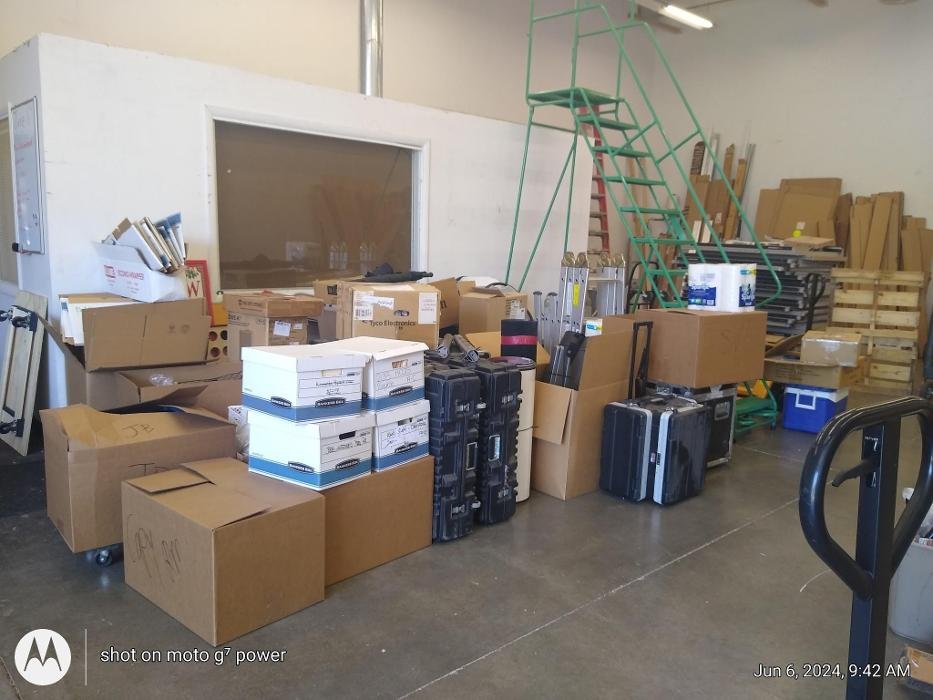
A small office move is not a big corporate relocation, but it is not a house move either. When a family moves, the deadline is the end of the day. When a business moves, the deadline is the next time a client calls. I have been moving small offices around Chandler, Mesa, Gilbert, and the rest of the East Valley for more than 21 years, and the moves that go smoothly almost always have one thing in common: the planning started weeks out, not days.
Below is the checklist I walk through with small business owners when they call. It is built for the kind of office we move most often: a handful of desks and chairs, filing cabinets, a reception area, a break room, and a lot of boxes. If that sounds like your office, work through it in order and you will walk in on Monday ready to work.
First, Is Your Move the Right Size for Us?
A quick, honest word on scope before the checklist. My crew is built for small offices: professional suites, medical and law offices, small agencies, studios, and service businesses. That means desks, chairs, files, boxes, light furniture, and standard office equipment that has already been unplugged and packed. We are not the company for multi-floor corporate relocations or heavy machinery, and I would rather tell you that on the first call than on move day.
If your office fits that description, our office moving service page lays out how we work. If you are not sure, call me and I will tell you straight.
Hand Off Your IT Before Anything Else
This is the step people forget until it is too late. Movers move things. We do not disconnect servers, rewire networks, move phone systems, or set up internet at the new space. That work belongs with your IT person or IT provider, and they should be booked as early as your moving crew, if not earlier.
Here is why it matters. Internet and phone service at a new business address runs on the provider’s schedule, not yours. If the internet is not live when the last desk goes down, your office is moved but not open. Sit down with your IT person and agree on four things:
- Who unplugs and labels the computers, monitors, printers, and phones, and when
- Whether a server or network equipment moves at all, and if so, that they carry it themselves
- The date internet and phones go live at the new address
- Who reconnects and tests everything on the other end, and on what day
Once your computers are unplugged and ready, my crew wraps and carries monitors and towers like any other fragile item. The split is simple: your IT person handles anything with a cable that matters, and we handle the lifting.
The Small Office Move Checklist, Week by Week
Eight weeks is a comfortable runway. Short on time? Start at the top anyway and move faster.
- Confirm move-out and move-in dates with both landlords
- Ask both buildings for their moving rules: allowed hours, loading dock or freight elevator, truck parking
- Book your IT person for disconnect and reconnect
- Order internet and phone service for the new address
- Call for a free moving estimate
- Get a floor plan of the new space
- Decide where every desk, cabinet, and table goes
- Number each desk and room on the plan
- Decide what is not coming: old chairs, extra furniture, dead equipment
- Line up a shredding service for old files you no longer need
- Order boxes, tape, and labels
- Pack storage rooms, archives, and anything nobody uses day to day
- Schedule your address change with USPS, your bank, and your vendors
- Plan to update your Google Business Profile, website, and invoices on move day
- Tell your clients when you are moving and whether you will close at all
- Confirm date, start time, and both addresses with your mover
- Get elevator, dock, and parking reservations in writing
- Give each employee boxes and labels for their own desk
- Set aside items for donation and mention them when you confirm
- Label every box with its room or desk number
- Empty your filing cabinets and box up the files (it is safer for the cabinets and the floors)
- Clean out the break room fridge
- Confirm the IT disconnect time
- Desks cleared and drawers packed
- Computers unplugged and boxed by your IT person
- Floor plan printed and taped up at the new entrance
- Keys, fobs, and alarm codes for both spaces in hand
- One person in charge at each location to answer the crew’s questions
- Walk the old space before the truck leaves
- Check that furniture matches the floor plan before the crew goes
- IT reconnects and tests everything
- Final walkthrough and key return at the old space
Label by Where It Goes, Not What Is Inside
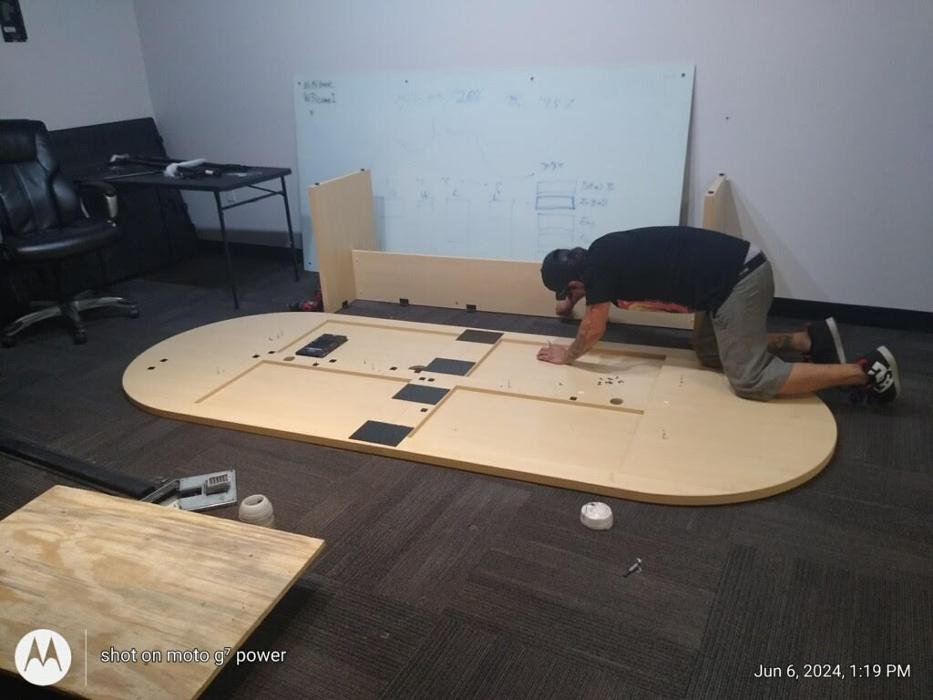
If I could get every office to do one thing, it would be this. A box marked “staplers and pens” tells my crew nothing. A box marked “Desk 4” or “Conference Room” tells them exactly where to set it down. Match those labels to the numbered floor plan, tape a copy of the plan at the new front door, and the unload goes about as fast as the crew can walk.
Time the Move Around Your Business
Most small offices want to be closed as little as possible. A move at the end of the week gives you the weekend to settle in and lets your IT person get everything tested before the phones start ringing again. Our office is open seven days a week, so a Friday or Saturday move is usually worth asking about.
If you are moving between June and September, start early in the day. A loading dock in Mesa at 2 PM in July is no place for anyone, and computers and monitors do not love a hot truck either. Our post on moving in Arizona summer heat covers what we do on hot days.
What Drives the Cost of a Small Office Move
We charge a straight hourly rate, and I walk you through what the job involves before the crew shows up. There are no hidden costs and no surprise lines on the final invoice. The things that move the number are simple:
- How ready you are. Packed, labeled boxes and cleared desks are the biggest thing you control.
- Access at both buildings. Stairs, elevator waits, and long walks from the dock all add time.
- Crew size. The right number of people for your office keeps the day moving.
If you want to know what an honest estimate should look like before you call anyone, read how to get an honest moving quote.
Moving an Office in Mesa, Chandler, or Gilbert
We are based in Chandler and we move small offices all over the East Valley. If you are looking for office movers in Mesa, take a look at our Mesa movers page. Closer to home, our Chandler movers page covers the city we have called home since 2005. Same crew, same approach either way: our own employees, never day labor, and a plan agreed before anything gets lifted.
A small office move does not need to be a production. It needs a plan, a clear handoff to your IT person, good labels, and a crew that stays until the furniture is where it belongs. Give me a call and we will build that plan around your date.
Common Questions
How far ahead should I book office movers in Mesa or Chandler?
Call as soon as you have a move date. A month or more of notice gives you the best shot at the day and start time you want, especially at the end of the month when leases turn over.
Do you move computers and servers?
We move computers, monitors, and printers once your IT person has unplugged and packed them. Servers, network equipment, phone systems, and internet setup should be handled by your IT person from start to finish.
What size office moves do you handle?
Small offices: professional suites, medical and law offices, agencies, studios, and service businesses. Desks, chairs, files, boxes, and light furniture. If you are not sure your move fits, call Terry and he will tell you honestly.
Can you take office furniture we are not keeping?
We can make a stop at a local donation center for items in good condition, so you are not moving or storing furniture you no longer need.